Pinto Abalone in Alaska
Interest in cultivating pinto abalone (Haliotis kamtschatkana) in Alaska is increasing, with the mariculture industry targeting $100 million by 2040.
This project investigates the viability of farming pinto abalone to support mariculture in Alaska.
Our goal is to enhance Alaska's mariculture resiliency by increasing species diversity.

Step 1: Set up the hatchery
The team renovated a wet lab formerly used to rear fish or crabs.
Step 2: Adjust cultivation protocols
The team worked closely with the White Abalone Captive Program (CA) and the Abalone Lab at CICESE in Mexico to spawn and rear abalone. Throughout the process, temperature adjustments were made, and recordings of egg size, density, fertilization rate, larval development, and settlement enabled us to understand developmental attributes of Alaska pinto abalone.
Spawning and settlement cycles were conducted three times before finalizing a spawning and rearing protocol for the species in Alaska.
Step 3: Investigate diets that promotes better growth for H. kamtschatkana
50 pinto abalone were harvested by diving from the wild and divided among individual tanks.
Abalone were fed a diet of Saccharina latissima or Devaleraea mollis, or alternated between the two diets every two weeks.
Consumption, shell growth, and weight change were measured weekly for 220 days.
Five abalone were sacrificed from each diet and analyzed to compare resultant differences in protein, lipid, carbohydrate, amino acid, and fatty acid contents.


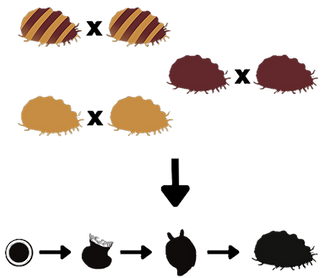
Step 4: Investigate spawn viability based on diet
Remaining abalone from each diet were used as broodstock; crosses from within each diet were spawned.
Differential growth and survival were measured as abalone progressed from embryo to larvae to spat to juvenile.
Step 5: Outplanting test
Two years post-fertilization, a small cohort of juveniles was outplanted to experimental farms, where survival was assessed.
We expect to expand this work in the near future.

Step 6: Development of a growth model
While growth models have been developed for several abalone species, none have been developed for pinto abalone (Haliotis kamtschatkana) from Alaska, where water temperatures are rarely above 14 °C for many days in a row. The absence of a species-specific growth model limits our ability to predict growth performance, metabolic trade-offs, and thermal sensitivity in this region.

Funding


